№ 01Signature
Royal Bengal Tiger Safari
Two-day steamer expeditions through Dobanki and Sudhanyakhali — the heartland of the world's only mangrove-dwelling tiger. Long-lens-ready boats. Patience rewarded.
⊕ Photographer favourite
A small homestay tucked at the edge of the world's largest mangrove forest — built for wildlife photographers, slow travellers and the curious-hearted. Three cottages on the Datta River, just minutes from Sudhanyakhali Watch Tower.
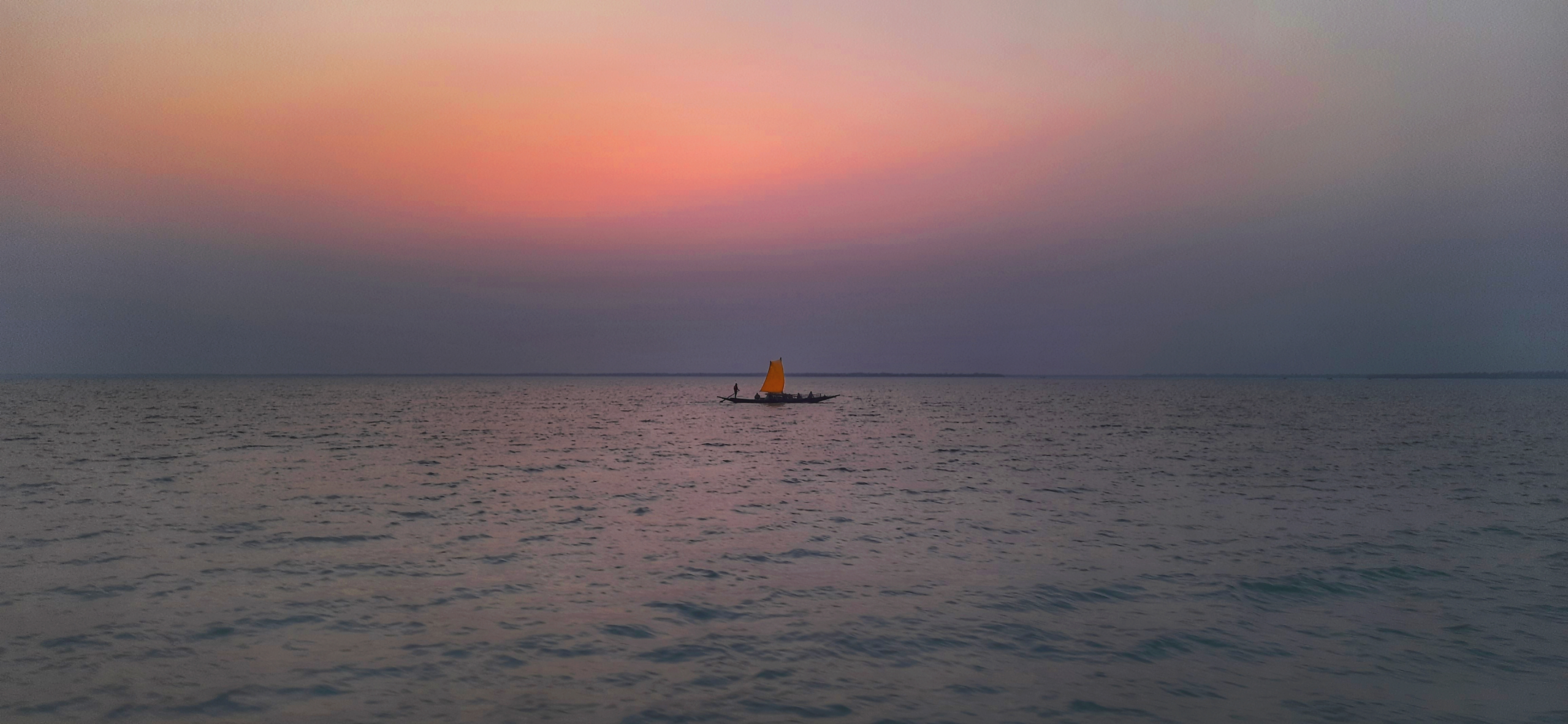
We are not a hotel. We are a home — one that opens its doors to the curious, the patient, and the wild-at-heart.
The Sundarban is not a destination. It is a living thing — half land, half water, dreamt into being by two great rivers and the moon. For generations, our family has lived along these creeks, learning the rhythms of the tide, the silences before a tiger steps from the reeds, the call of the stork at first light.
The Mangrove Nest is our way of sharing what we know. Three cottages on the Datta River, nine rooms, no rush. Hot Bengali meals from a wood-fired kitchen. Boat captains who have grown up reading the water like a book.
Every expedition is led by local naturalists, boat captains, or our family. Designed for travellers who want to truly arrive — not just visit.
Two-day steamer expeditions through Dobanki and Sudhanyakhali — the heartland of the world's only mangrove-dwelling tiger. Long-lens-ready boats. Patience rewarded.
Tailored itineraries for serious shooters: dawn-light boat positioning, hide access, multi-day permits, drying racks for gear, and naturalists who know which creek the animals favour.
The delta hosts 250+ species — buffy fish owl & ruddy kingfishers (most active during monsoons), brown-winged kingfishers, White bellied sea eagles, mangrove pittas & many more. We carry binoculars, hot tea, and a checklist that fills itself.
Wood-fired prawn malai curry, mustard-fish steamed in banana leaf, kasundi-laced greens. Join our cooks at the chulha for a hands-on session — recipes shared, never written.
Meet the honey-collectors, basket-weavers and storytellers of Amlamethi and Mathurakhanda. Learn the legend of Bonbibi — guardian of the forest. Watch a candlelit Bonobibi Pala folk-theatre under the stars.
We collect you from Kolkata airport, hotel, or train station. Comfortable AC vehicle, ~3-hour scenic drive, then a boat transfer via Gadkhali Ferry Ghat to our jetty. Arrival, made effortless.
River wind, bird calls, and the wilderness of the delta. Shaded verandas, tiled roofs, mosquito-screened windows, and slow-spinning fans for warm tropical nights. Simple comforts, thoughtfully done, rooted in the rhythm of the Sundarbans — because that is the only way that belongs here.
Named after the guardian goddess of the forest, The Bonobibi is nestled among the lush rice fields of the delta, where mornings begin with birdsong, drifting river breeze, and the distant rhythm of oars on the Datta River. A quiet retreat rooted in the slow, earthy charm of Sundarban village life.
Named for the tiger-spirit of Sundarban folklore. Wrapped in our spice and herb garden — hibiscus and curry leaf at the window. A favourite among slow travellers.
Named for the mangrove tree that gives the Sundarban its name. Quietest cottage, set against the village treeline — fireflies in May, owl calls in October, stillness always.
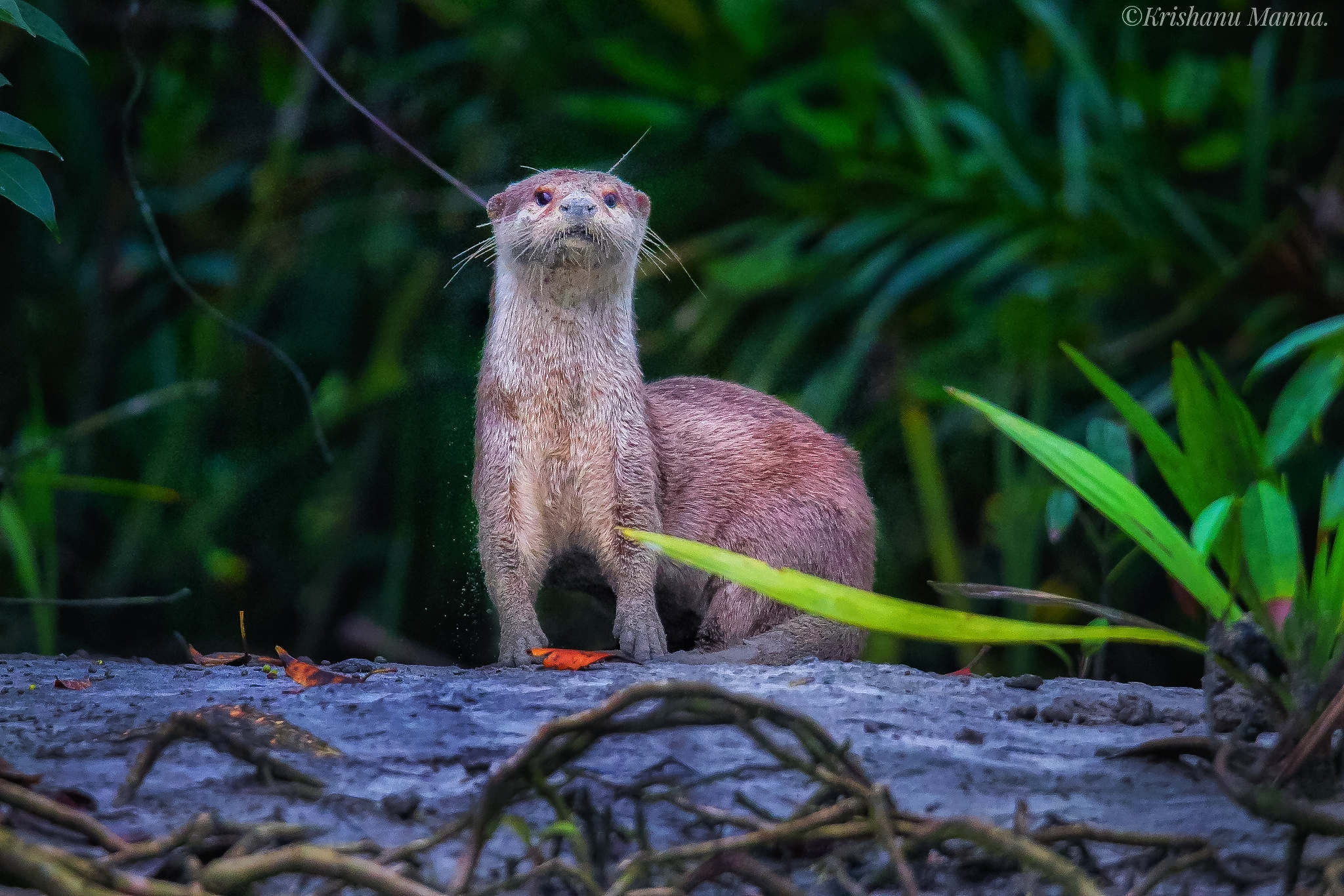
The Sundarban shelters one of the densest concentrations of biodiversity in South Asia — and the only mangrove-adapted tiger population on Earth. A few who you might meet:
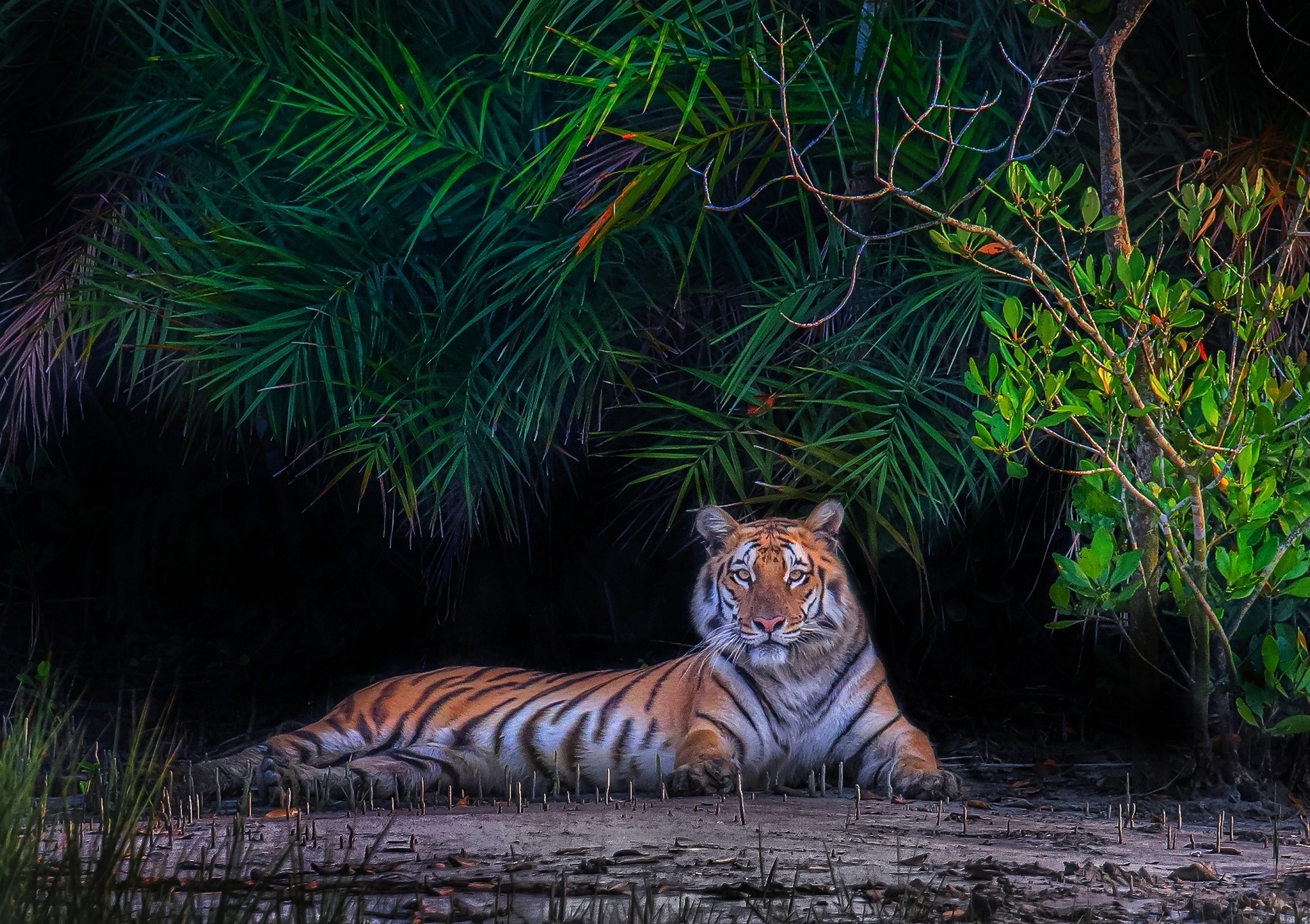
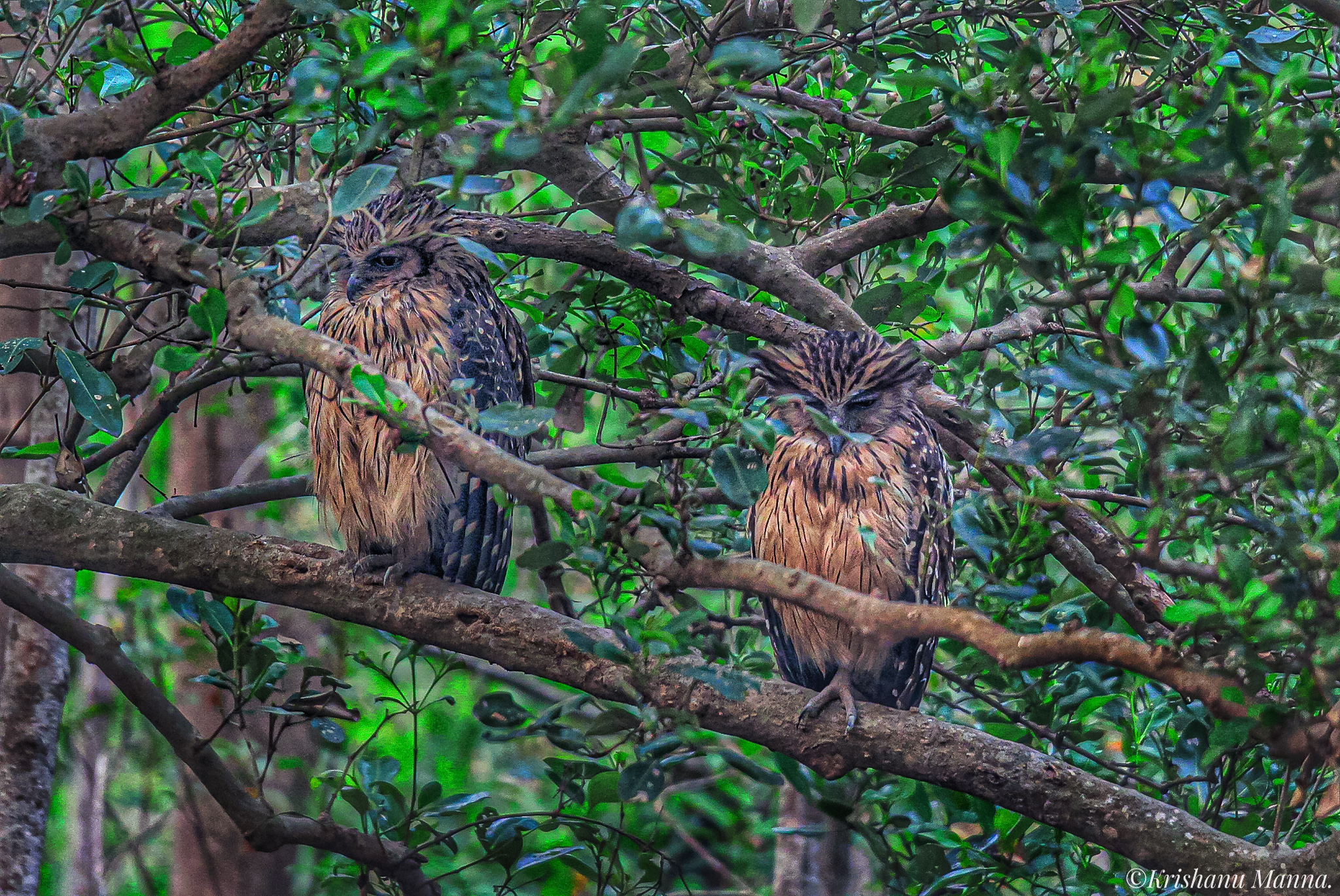
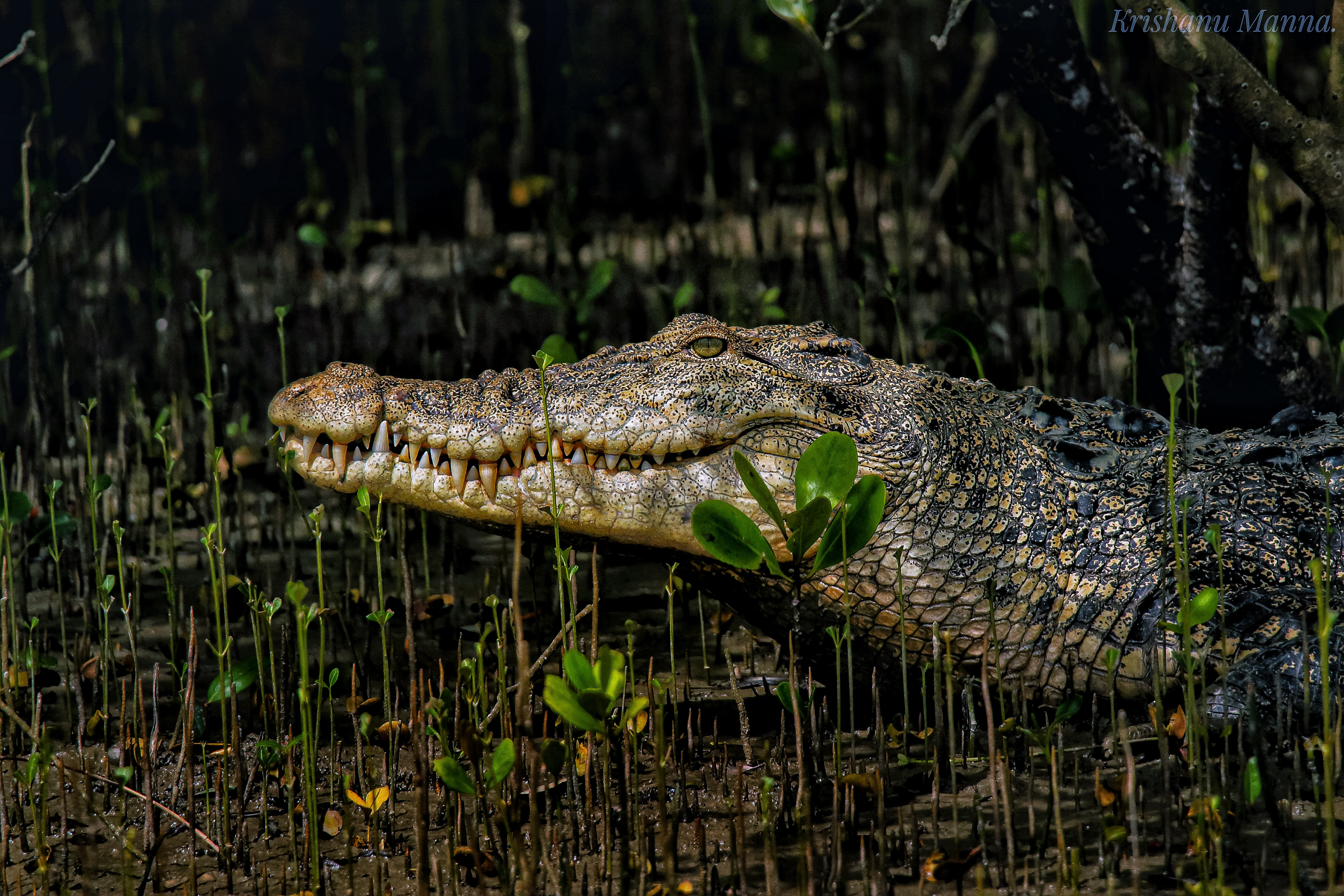
"We came for the tigers, expecting a lodge. We left with a family, a notebook full of birds, the smell of mustard-fish in our memory, and the sense that we had finally been somewhere — not just gone there."
Mangrove Nest is presented by Epitome Hospitality — a brand built on 25+ years of distinguished experience across Indian and international hospitality, in partnership with Aranyak — Wilderness & Beyond for expert-led wildlife safaris.
Designed for travellers who value serenity, authenticity and understated luxury, we believe true luxury lies not in excess, but in sincerity — where every guest feels seen, cared for, and quietly at home amidst nature.
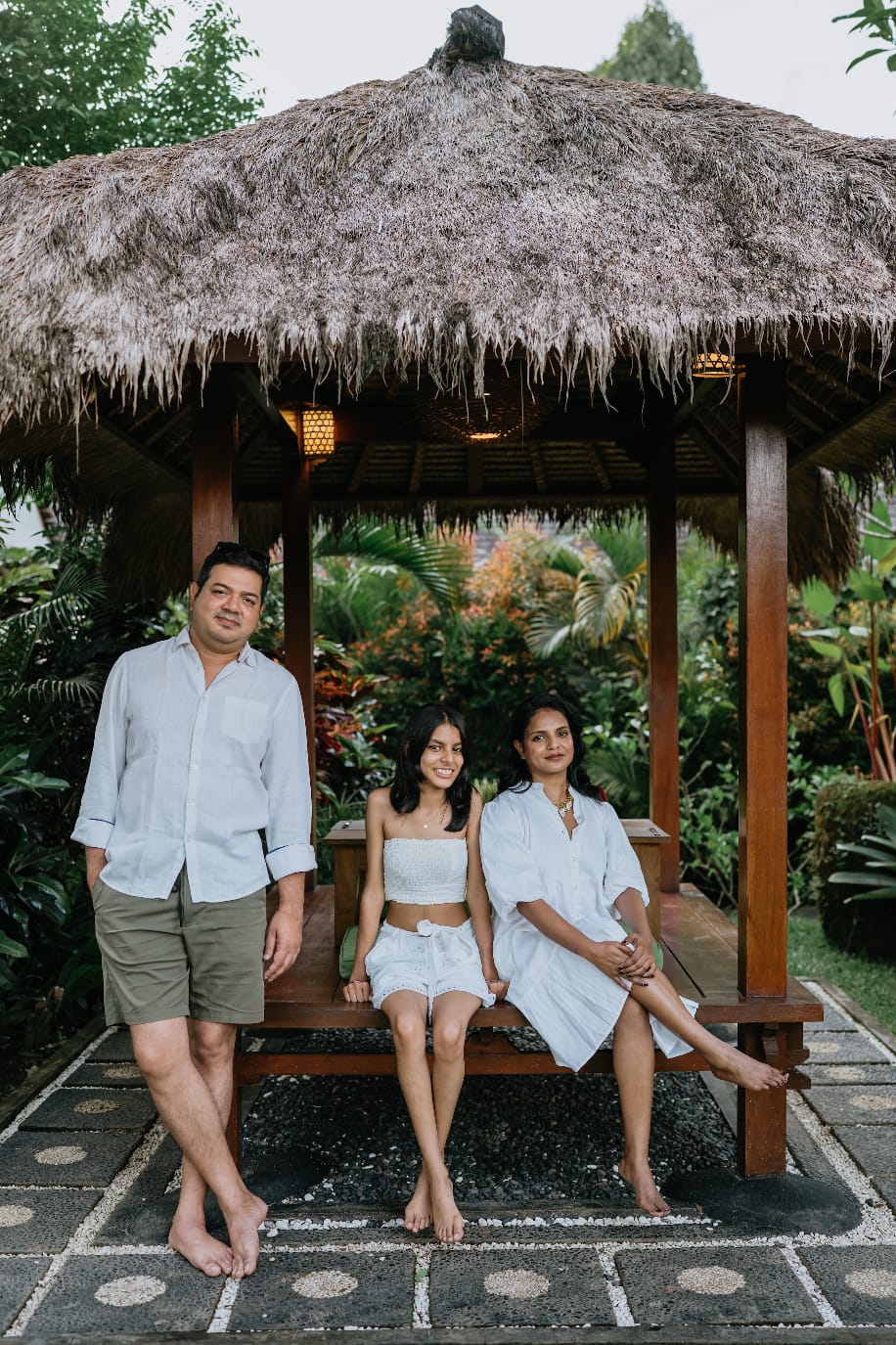
Both alumni of Oxford Brookes University, England, Deep and Maumita bring together extensive global hospitality experience, a relationship-led approach, and a shared love for the wild. Deep's years in the industry shaped the soul of Mangrove Nest; Maumita's warmth and grace shape every guest's experience of it.
Their conviction is simple — that the most lasting memories are built through thoughtful gestures, genuine connection, and quiet moments shared with nature.
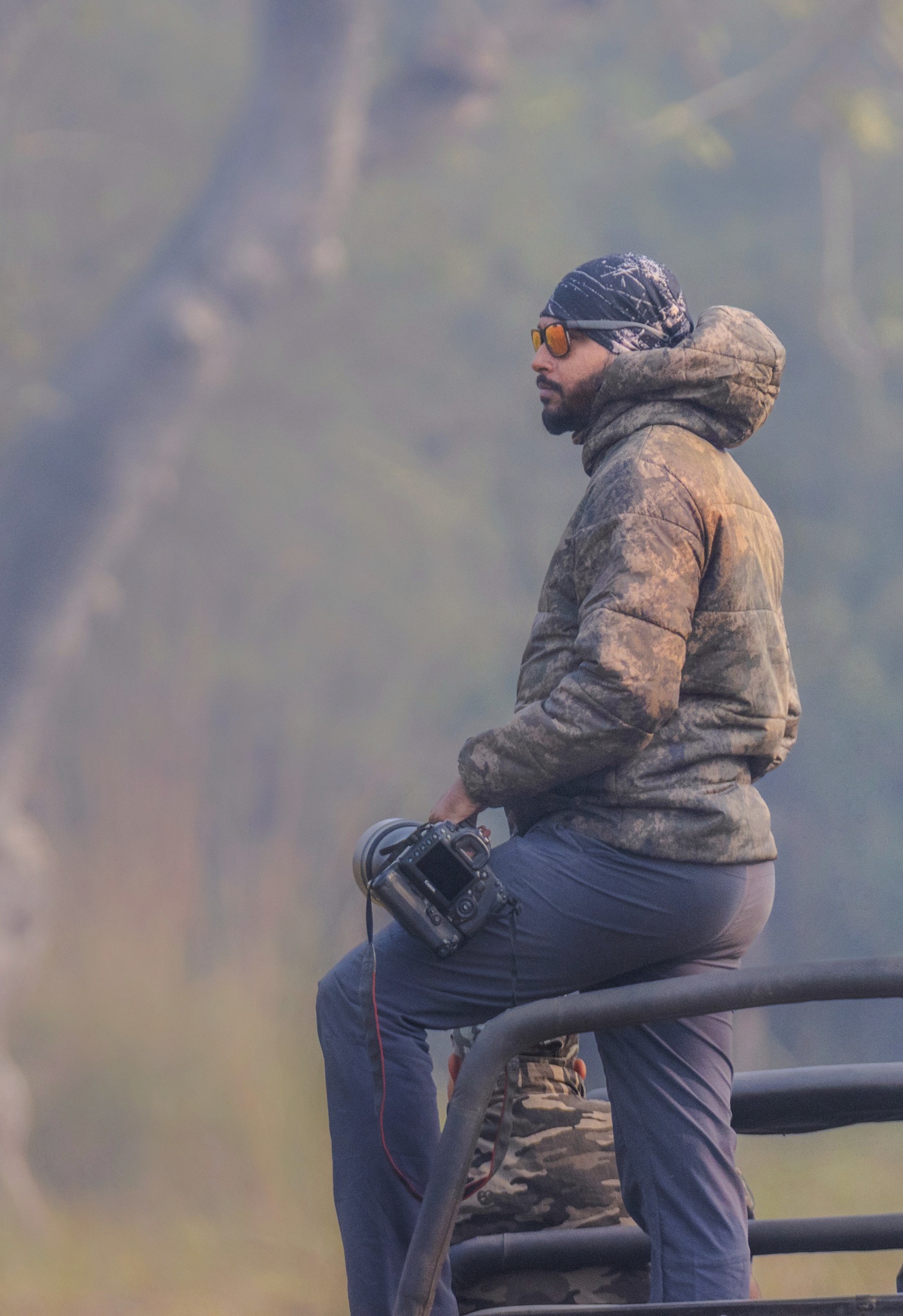
With over a decade of hands-on experience in wildlife exploration, Krishanu leads Aranyak — Wilderness & Beyond as one of India's most respected jungle safari specialists. From the mangrove creeks of the Sundarban to the great forests of central India, his eye for the wild has shaped countless unforgettable expeditions.
His partnership with Epitome Hospitality ensures every safari at Mangrove Nest is expertly curated, responsibly run, and grounded in deep respect for the forest and its creatures.
A few common questions from travellers planning their Sundarban journey. Tap any question to read more.
We follow an offline, personal booking process. Once you send us an enquiry — via the form below, WhatsApp, or email — our team will reach out to you by email or phone at your preferred time to help you plan and build your itinerary.
We offer both custom itineraries tailored to your interests, dates and pace, as well as preset itineraries if you'd prefer something ready-made. Either way, every stay is confirmed only after a conversation, so we can be certain we're crafting the right experience for you.
The best time to visit is between October and March, when the weather is cool, dry, and ideal for boat safaris, photography, and long days on the water. Skies are clear, mornings are misty, and tiger sightings — while never guaranteed — are most likely during these cooler months.
November to February is the peak window for birdwatchers, with migratory species arriving in large numbers. March till Mid April are warmer but reward the patient with denser foliage and dramatic light. We generally avoid hosting guests during the peak summer (May–June), when waters are rough due to the Norwesters and forest access is limited.
We recommend a minimum of 2 nights and 3 days to truly experience the rhythm of the delta — one full day for a guided boat safari through the core forest zones, and another to slow down for village walks, birding, and the unhurried pleasure of meals by the river.
For wildlife photographers, birdwatchers, or anyone seeking deeper immersion, 3 to 4 nights is ideal. It gives you the patience the Sundarban rewards — multiple safari days, better tide timings, and the chance to wait for the light, the bird, or the tiger.
Days begin gently — tea on your veranda at first light, followed by an early steamer departure into the watch-tower zones of Sudhanyakhali and Dobanki. A hot brunch is served on board as you drift past crocodiles basking on the mudflats.
Afternoons may bring a canopy walk, a village stroll, or quiet hours with a book by the lake. Evenings end with a five-course Bengali thali, the smell of mustard seeds frying in the kitchen, and — if you're lucky — a folktale or two from our family. See our sample itinerary for a fuller picture.
Honestly — no, they are not. The Royal Bengal Tigers of the Sundarbans are the most elusive in India: they live in dense mangrove cover, swim between islands, and move with the tides. Even seasoned naturalists count themselves fortunate to see one.
What we can promise is the full experience of being in tiger country — pug-marks on the riverbank, alarm calls echoing through the forest, the quiet thrill of knowing the apex predator is somewhere just beyond the reeds. Come for the wildness; the tiger, when it appears, is a gift.
We offer a complete door-to-jetty pickup service from Kolkata airport, hotel, or train station. A comfortable AC vehicle takes you on a roughly 3-hour scenic drive to the Sundarban gateway, followed by a short, picturesque boat transfer via Gadkhali Ferry Ghat to our jetty on Bali Island.
Total journey time is approximately 4 to 4.5 hours. Arrival is fully arranged — you only need to step off your flight or train, and we take care of the rest.
Light, breathable clothing in earthy, muted colours — khaki, olive, brown, beige (avoid bright whites, reds, and blues on safari, as they alert wildlife). A light jacket or shawl for cool winter mornings on the water. A hat, sunglasses, and reef-safe sunscreen.
For photographers — your longest lens, plenty of memory cards, and a dry bag. Also useful: binoculars, a torch, insect repellent, comfortable walking shoes, and any personal medication. We provide the rest — fresh towels, toiletries, mosquito nets, and warm hospitality.
Yes, very much so. We welcome families with children, and the Sundarban is a wonderful place for young, curious minds — boats, birds, village life, and stories from the forest. Our cottages are spacious enough for families, and our kitchen can adapt meals for younger or pickier palates.
That said, the experience is rooted in nature and quiet observation rather than entertainment. We recommend it most for children aged 6 and above, who can sit through a boat safari and enjoy the slower rhythm of a wild place. Do mention any specific needs when you write to us, and we'll plan accordingly.
Because we are a small, family-run homestay with limited rooms, our cancellation policy is shared during the booking conversation — it varies slightly by season, group size, and how far in advance you cancel.
As a general guideline: cancellations made well in advance receive a full or substantial refund, while last-minute cancellations are subject to a partial charge. We'll always walk you through the exact terms transparently before you confirm, and we're flexible where genuine emergencies are concerned.
Most Indian wildlife reserves — Ranthambhore, Bandhavgarh, Kanha, Jim Corbett — are explored by jeep on land. The Sundarbans is the only major tiger reserve in India where the safari unfolds entirely by boat, drifting through tidal creeks and dense mangrove channels rather than driving through grassland or sal forest.
This is also home to the world's only mangrove-dwelling tigers — the famously elusive Royal Bengal Tigers that swim, hunt in saltwater, and have adapted to a half-land, half-water world. Add to that a UNESCO World Heritage status, a Ramsar wetland ecosystem, and centuries-old village life along the forest edge — and you have an experience unlike any other safari in the country.
Yes. All our cottages are fully air-conditioned for your comfort, alongside ceiling fans and mosquito-meshed verandas. Whether you visit in the cool winter months or warmer seasons, your room remains a quiet, restful sanctuary at the end of every day.
Have a question we haven't answered here?
Write to us →Tell us when you'd like to come, what you hope to see, and any dietary or photography needs. We'll reply within 24 hours with a personalised plan, transparent pricing, and an honest answer about tide and tiger luck.